Going to Eleven
I had another post planned for today but I’ve moved it to next week (hint: I watched The Jazz Loft on Prime). Instead I’d like to follow-up on a comment left by Mat on the clarity post, regarding capturing high contrast images SOOC:
Would you please tell me if there is a way to gain really high-contrast black and white SOOC? I really could not with my old X-100F. It would be so interesting to see some tests with different B&W settings. Unfortunately the best film for black and white, imho, was and remains the Kodak tri-x 400 pushed to 1600/3200. Something very very far from the quite flat Acros.
Ok first off: the X100F is now officially old. Man, it feels like only yesterday...;)
Seriously though, I thought it would indeed be interesting to do a “no-processing” shoot with this in mind. I’ve mentioned that DAIDO preset I sometimes use, which I generally consider quite strong enough in terms of contrast (we’re talking Acros +2 highlights, +4 shadows). I am however, always working with post-processing in mind; which means I can alter density in Capture One if I feel the need to. And I usually do, if only to bring everything into a single space.
Ever since its introduction, I’ve never questioned the use of the Acros film simulation as my black and white baseline, so it was interesting to revisit standard black and white on the X-Pro3 and compare the two. I’m not going to bore you with a bunch of side by side comparisons, but here’s one that gives a pretty good idea of the difference:


On the left: monochrome R, +4 +4. On the right: Acros R, +4 +4. The standard monochrome shows a lot more contrast, i.e blacker blacks and whiter whites. If I’m looking for the most impact SOOC, monochrome would be the way to go. Acros on the other hand gives us more room to work with in post. Obviously it’s important to remember that this will always be a function of our exposure settings on any given capture, but my main takeaway is that Acros introduces a curve that protects shadows and highlights—monochrome does not. Overexposing monochrome can result in very digital looking highlights; Acros, on the other hand, seems to always compress them slightly, creating a falloff that’s much less jarring. Here are two more examples:
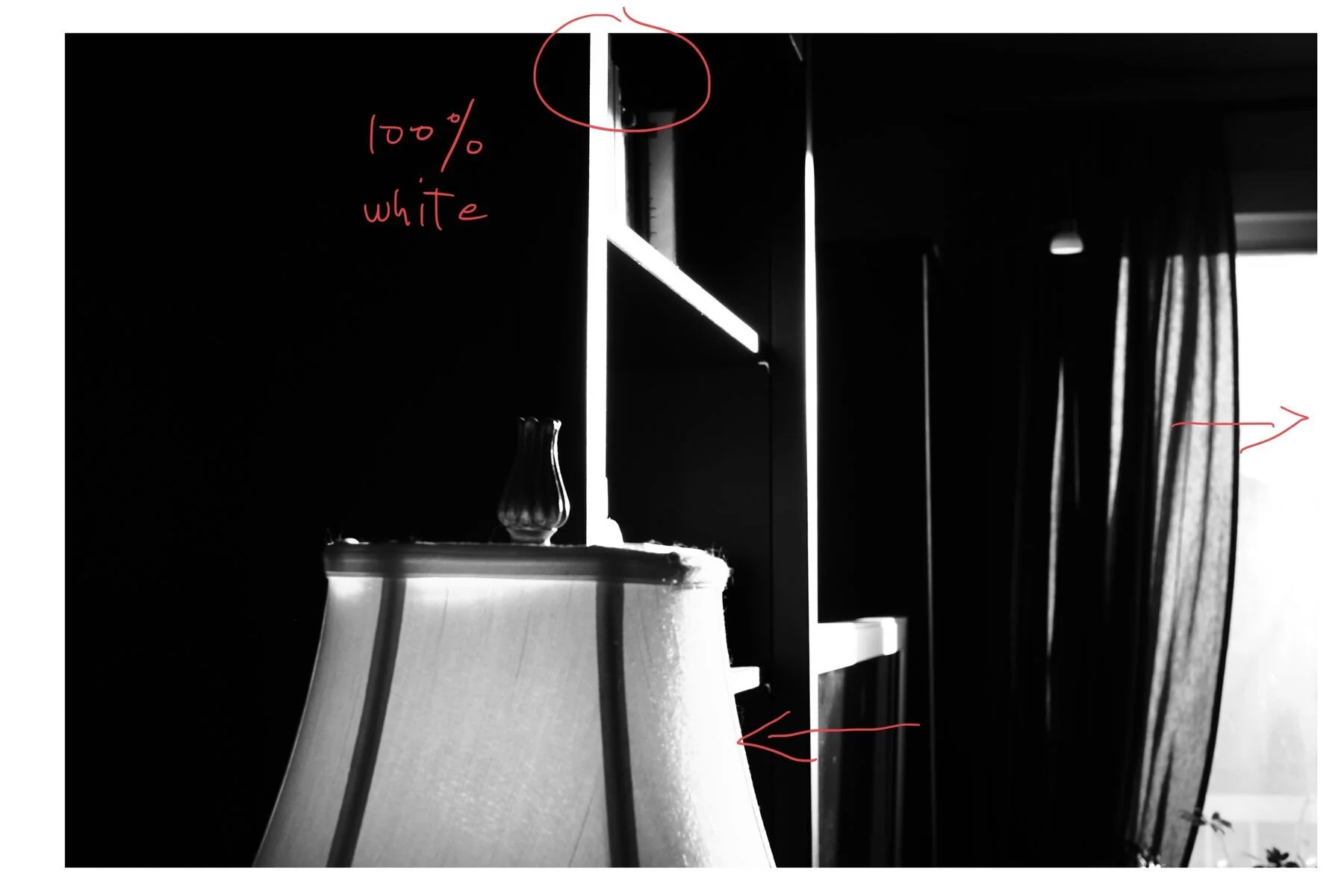
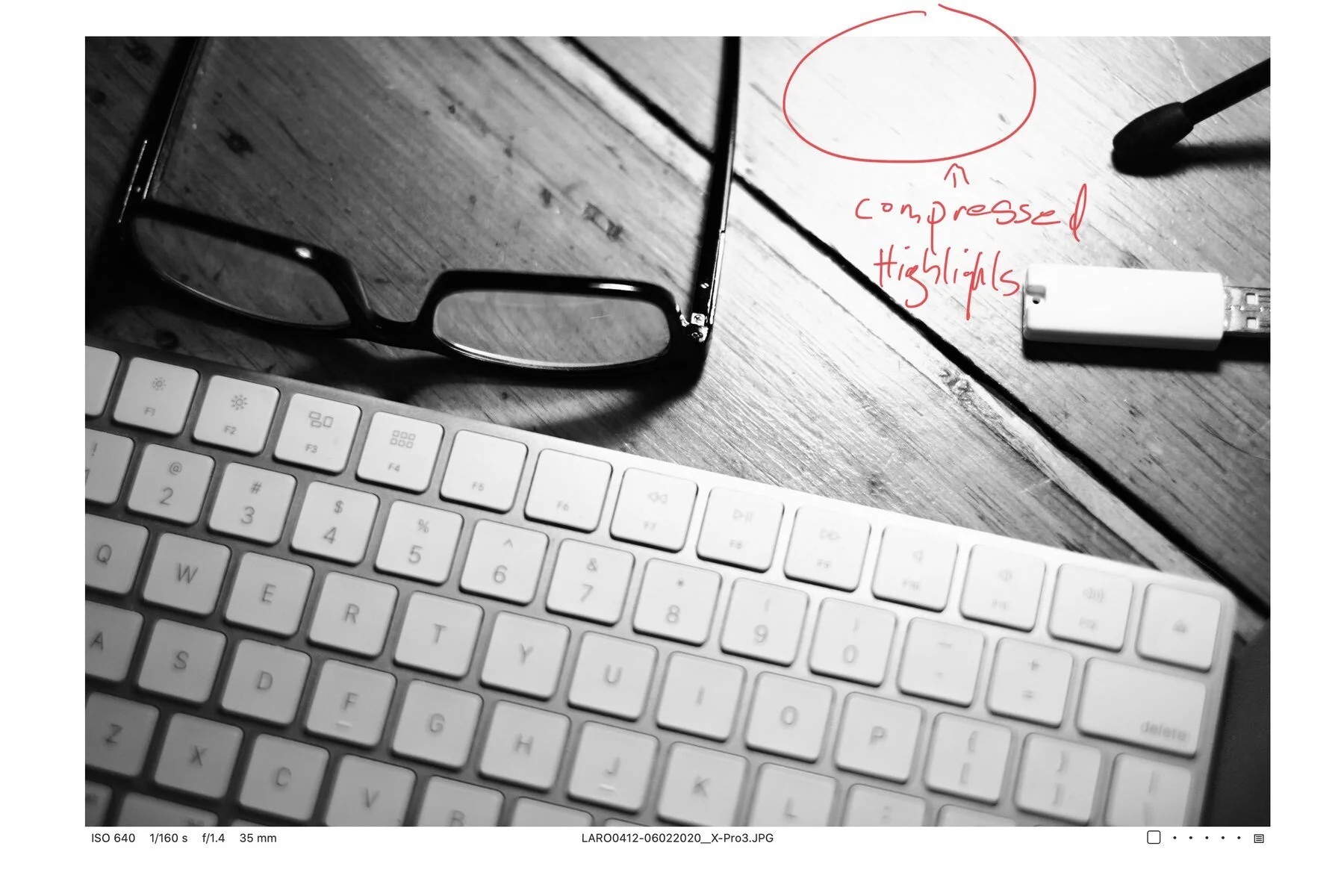
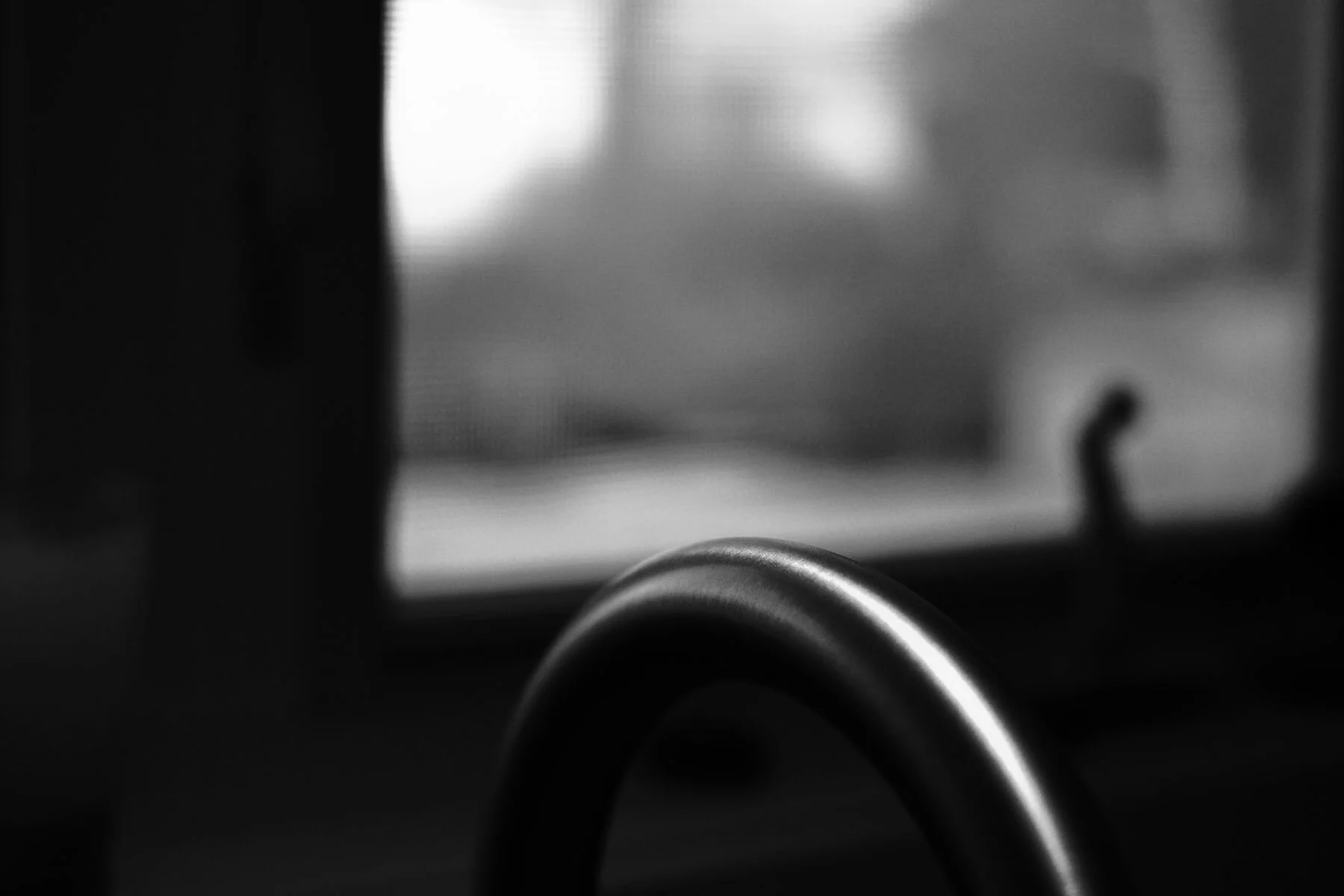
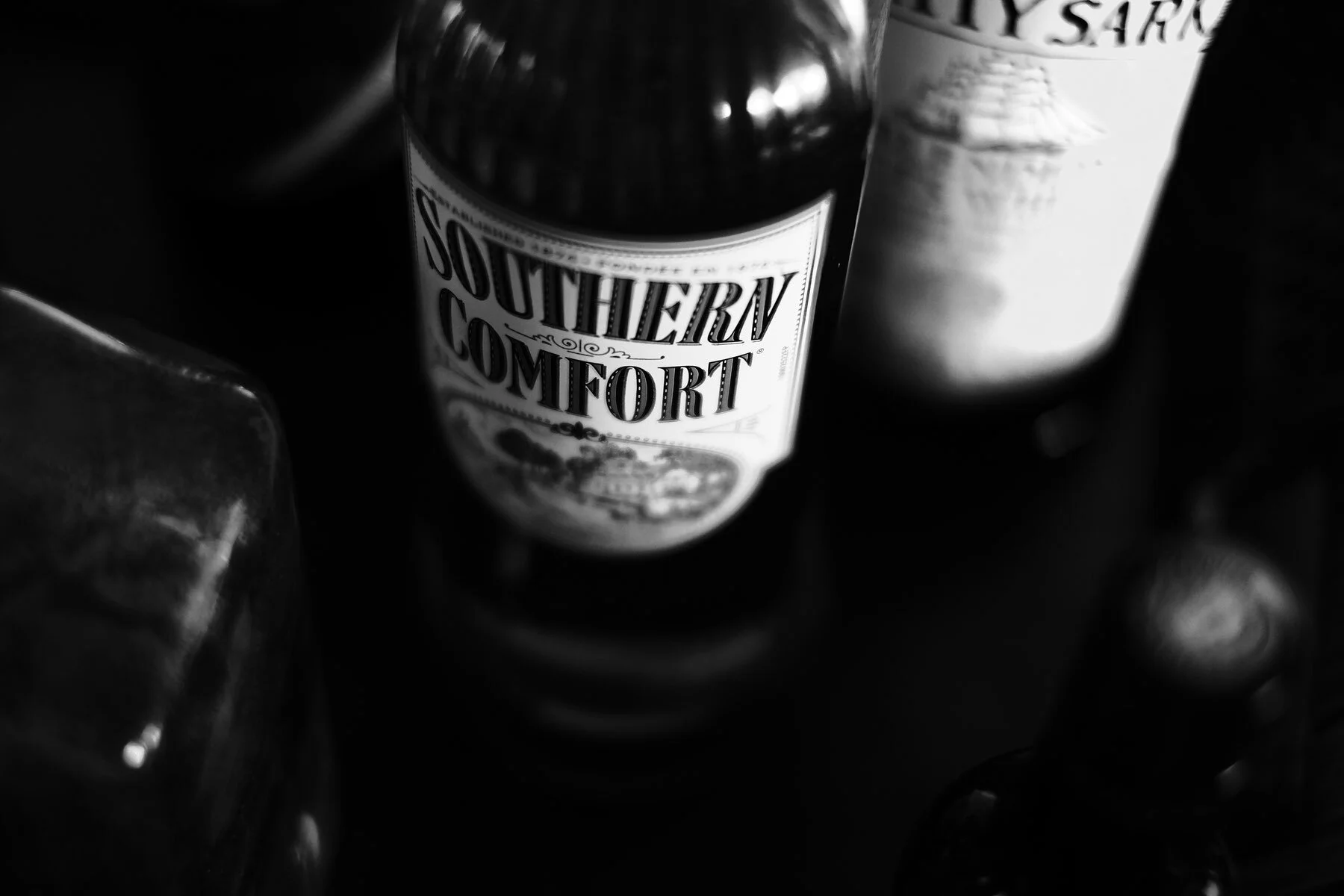
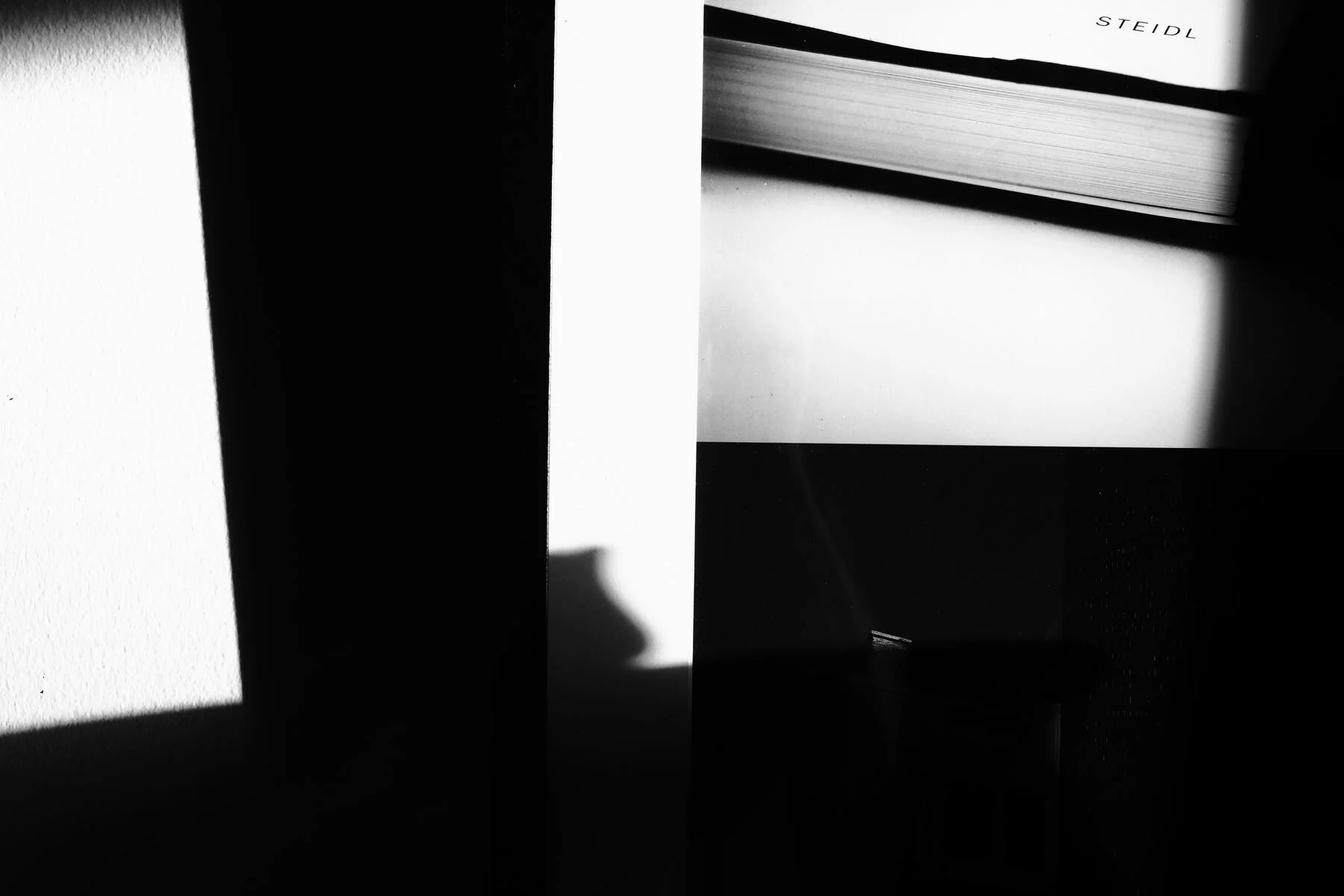
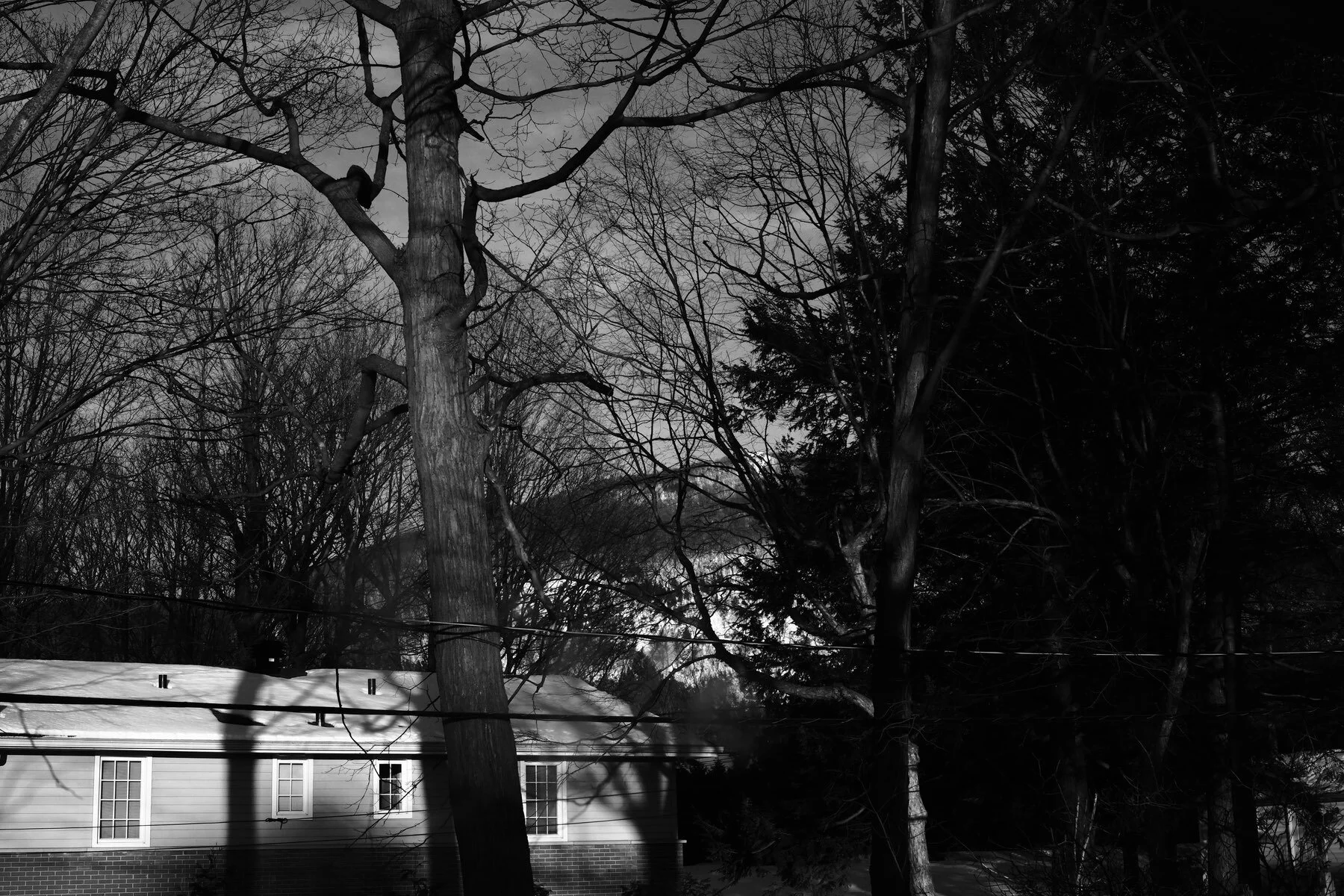
Lastly, here are two short series: the first using those pushed settings with Monochrome R, the second with Acros R. Would these look any different if they were shot with the X100F that Mat mentioned? It’s a different sensor and processor so maybe. But honestly, my gut tells me the results wouldn't be that far off. Something for another time.
Have a great weekend
P.S An entirely different subject but: I just did a big overhaul of the Curated Archives section. Essentially, I added all the cameras that were missing and brought the section up to date. AND there’s a new Film section in the secondary menu as well. Look at me being all productive for a change ;)