Story Ecosystems
When the world shut itself down in March 2020, shooting opportunities all but disappeared. Trips were canceled, sessions postponed indefinitely, even our families became smaller, restricted to those we already lived with. For some, this meant a full house—others faced a difficult emptiness.
One of my first photographic reaction, at the very beginning of our confinement, was to shoot a series of images that I published in a post titled Emperor—a post whose subject had little to do with the pictures. In fact, I felt a rare need to add a subtitle to the series: Five Hands, Quarantined.
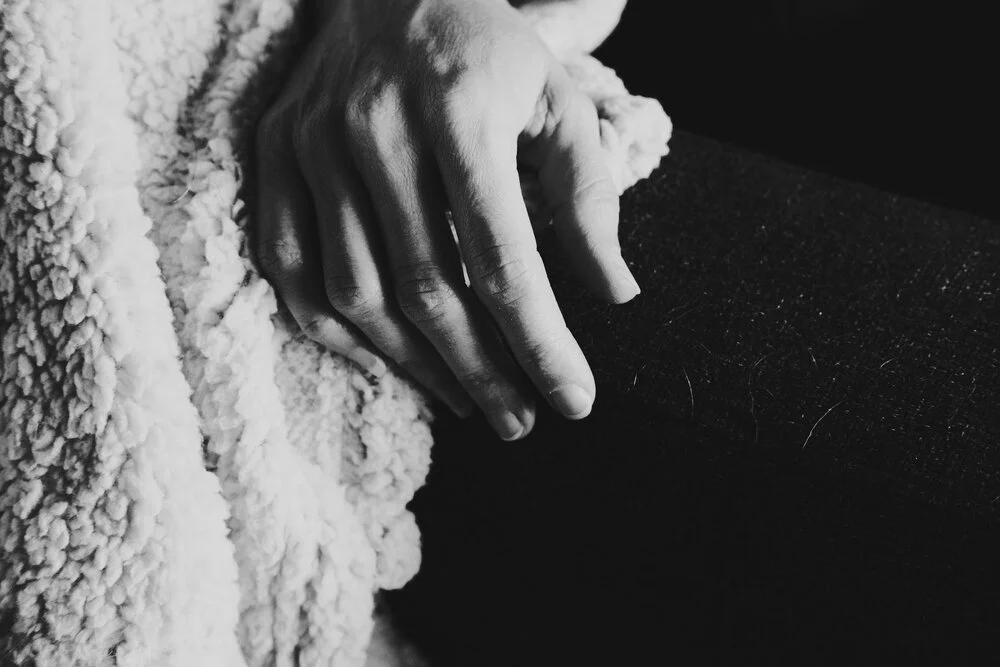
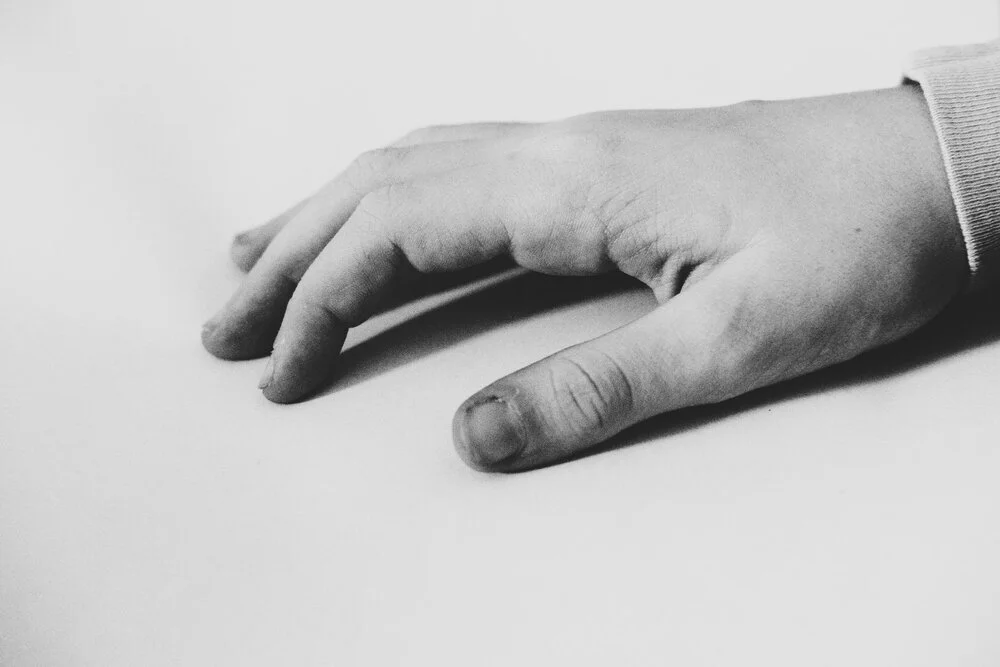
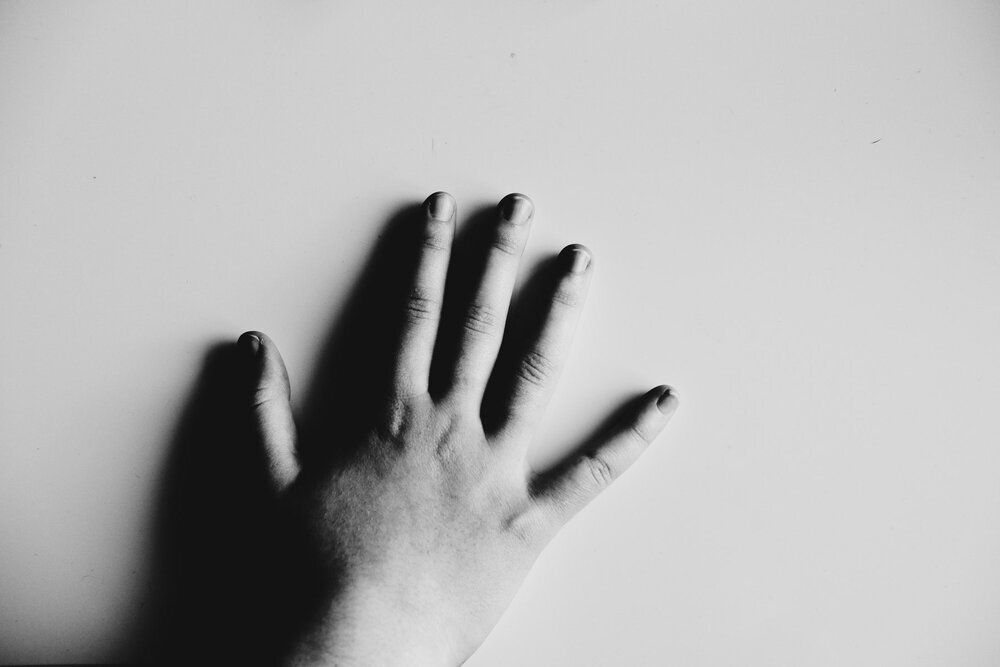
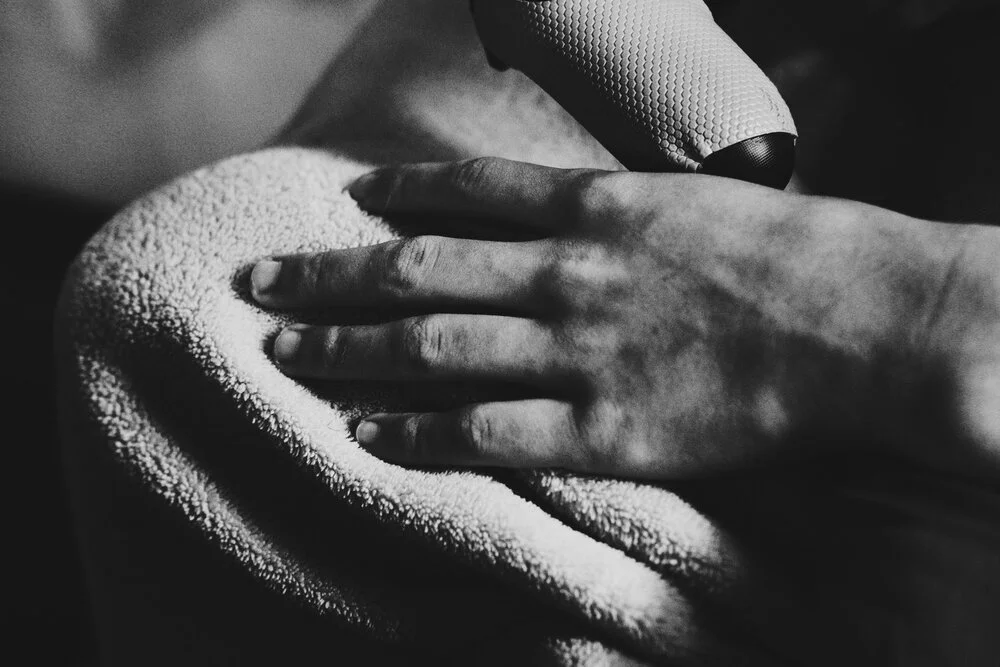
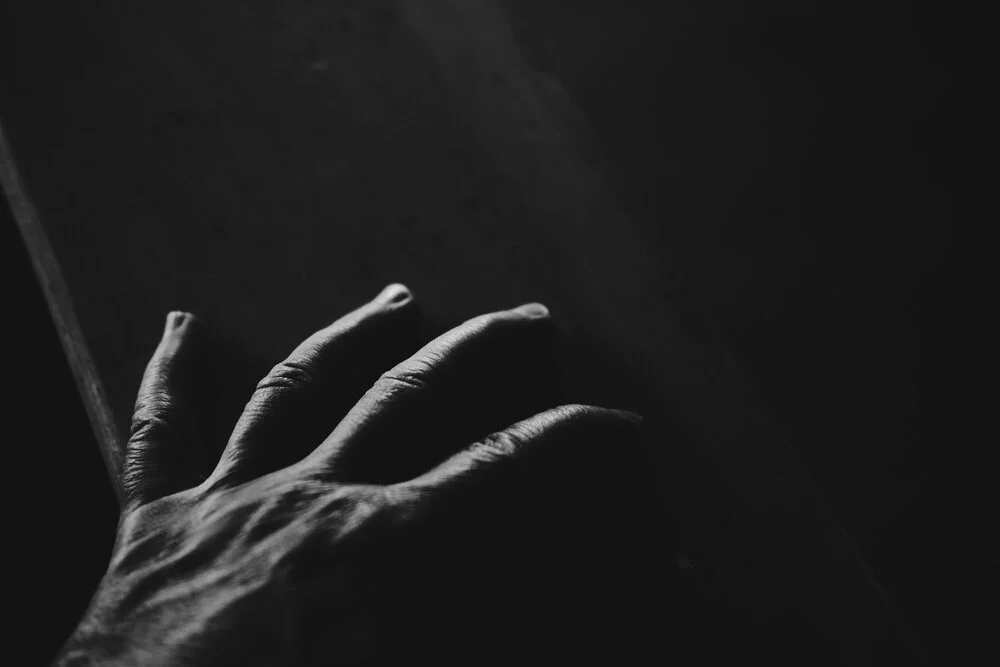
I don’t dwell on the past much, but this is one instance where I regret how I presented those photographs. Because to this day, it’s one of my favourite series of the lockdown—certainly one of the most meaningful—and I believe I did it a disservice by using it as little more than a throwaway illustration.
But this does provide an opportunity to look at the importance of a story’s “ecosystem”.
Elements
The concept of any series relies on interplay: between the images and how they connect and bounce-off one another; but also between other elements that can be just as crucial to understanding the narrative. The truth is, anything we add to a story will provide meaning to potential viewers. Everything will become a clue to unravel the enigma we propose.

Stories are built from these elements, guided and twisted into any form we wish them to take. It’s up to us to decide how much or how little we offer, how open or closed the interpretation will be.
In the KAGE essay Puddles are Windows and Fissures are Roads, for instance, I use abstract images but rely on several elements that are actually explanatory:
The title immediately defines the subject.
An audio recording documents the time and place.
A short text describes my frame of mind.
Taken together, this results in a closed story. I’m asking people to join a pre-established mood, framing what it means and leaving very little room for input. Had I only offered images, with a title like Ether & the Valiant Sun (1), the effect, I believe, would’ve been different. Much more open, inviting viewers to add their own consciousness to the mix.
Both options are valid and always available. But it’s important to understand the value this holds, and to know what we’re giving away and why.
Words, context, and their incidence on perception
Similarly, words have incredible power to shape the way we receive…anything. I have clients who design high-end furniture and their pieces have names like Where We First Met or To Float From Grace. To some this may seem contrived, but I feel that it transforms the work they do into something beyond utilitarian. It forces a question and creates layers and mystery. It elevates the objects.
Words bend perception. A mere title will precondition a viewer’s mind; a few paragraphs can alter it profoundly.
That Emperor post was a gut reaction to a topical story. We can bend over backwards and find ways to fit the series into it:
Vaccine>>
COVID-19>>
Lockdown>>
Isolation>>
Hands.
But honestly, I was just pushing a round peg into a square hole. Because context matters. Framing matters. Presentation becomes illustration. This is true for the web, for a book or inside an exhibition space.
Impulses
Those images are important to me not because of any particular effort, but actually due to a lack of it: they were impulsive. We were all there, I picked up my camera, I shot everyone’s hands. I shot in JPEG, straight to black and white, high contrast. Processed them on my iPad. I didn’t overthink, I didn’t prepare anything: it was all over in roughly ten minutes. The time it took me to figure out what I was doing, wander around, disturb everyone for a few seconds—and get the “Oh Dad…” look.
But a year later, those images are emblematic, for so many reasons. Reactions and impulses are still what we must rely on to keep our creative juices flowing; confinements are fluid but still part of our daily lives; and over here, we remain five people in a house, mostly isolated from the world outside, and from most of our family. That’s why I’m disappointed in the treatment I chose for this series: I missed the context and made the pictures smaller instead of bigger.
Ecosystems are important.
Lesson learned.
…………………….
Now I can’t get those words out of my head…!