Reveal | Inside the GF30MM Film
I wasn’t sure I could pull it off.
When I first heard from Fujifilm about a possible pitch for a project, my initial reflex was to skip it. We were in lockdown, for one, which severely limited options in terms of subject matter. My mind didn’t feel like it was firing on all cylinders either, due to the mess we were all in. But more importantly, the project called mainly for film work—with images as support. That made me seriously uneasy.
Essentially it was the sort of project I’d worked on in the past except for one, humongous change: I’d be on my own—no cameraman, no editor. I’d need to rely on whatever equipment was on hand as well.
But then if you don’t try, you don’t advance and you don’t grow. So I took a day or so to think about it, ended up pitching a concept I felt I’d be able to handle, not really expecting it to go through, telling myself I would’ve at least swung the bat; points for trying...yay me.
And then I got the gig.
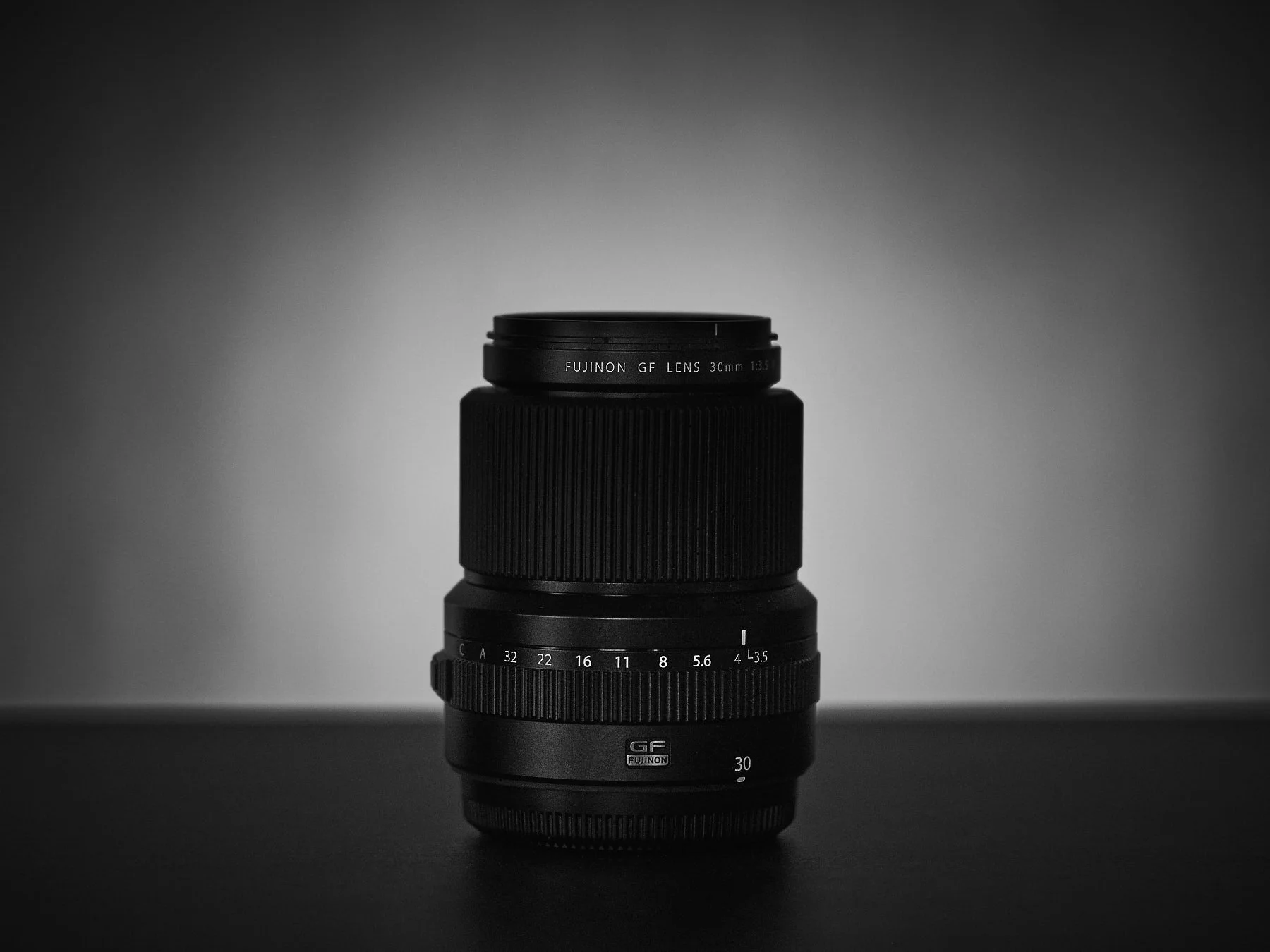
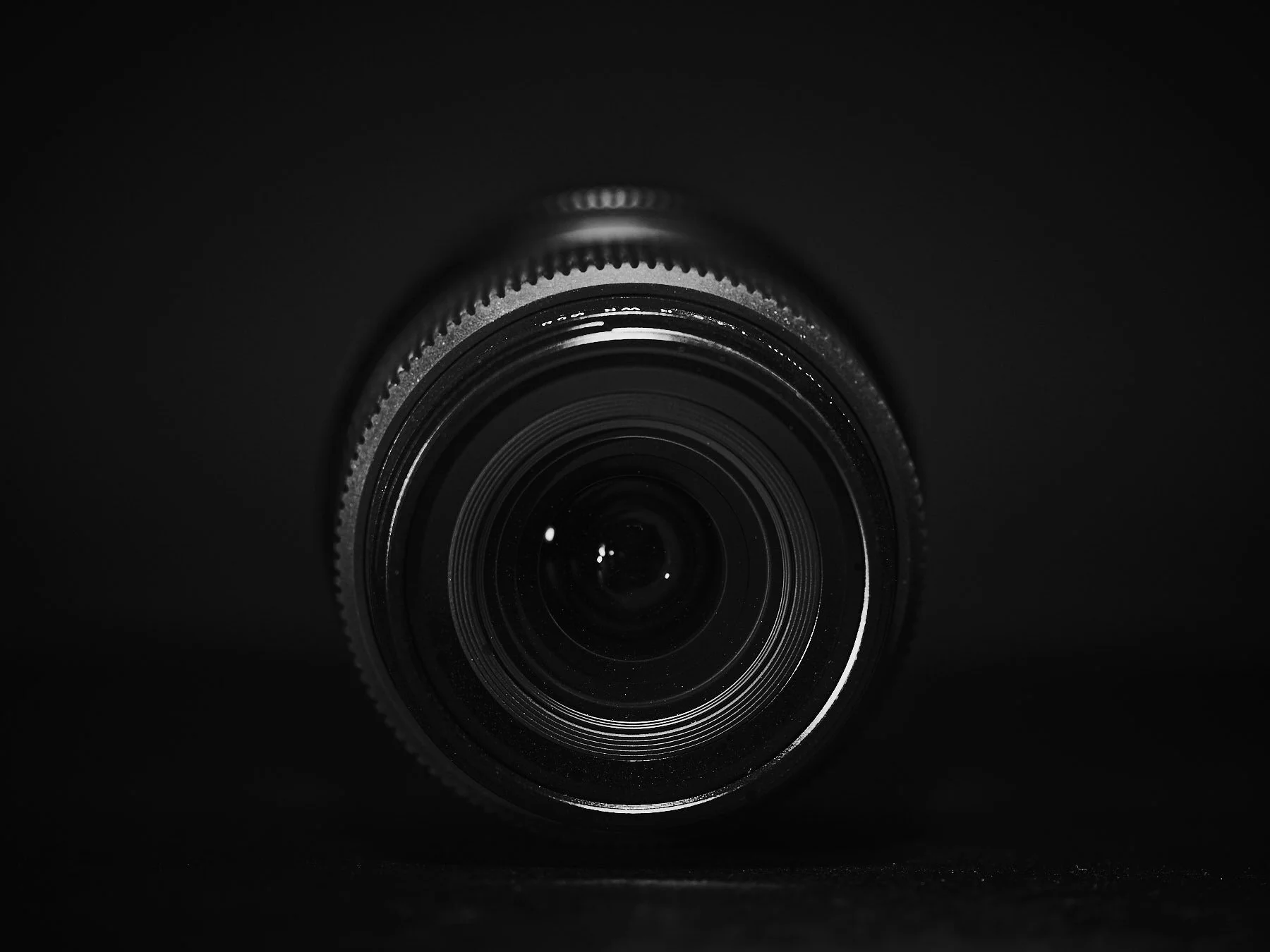
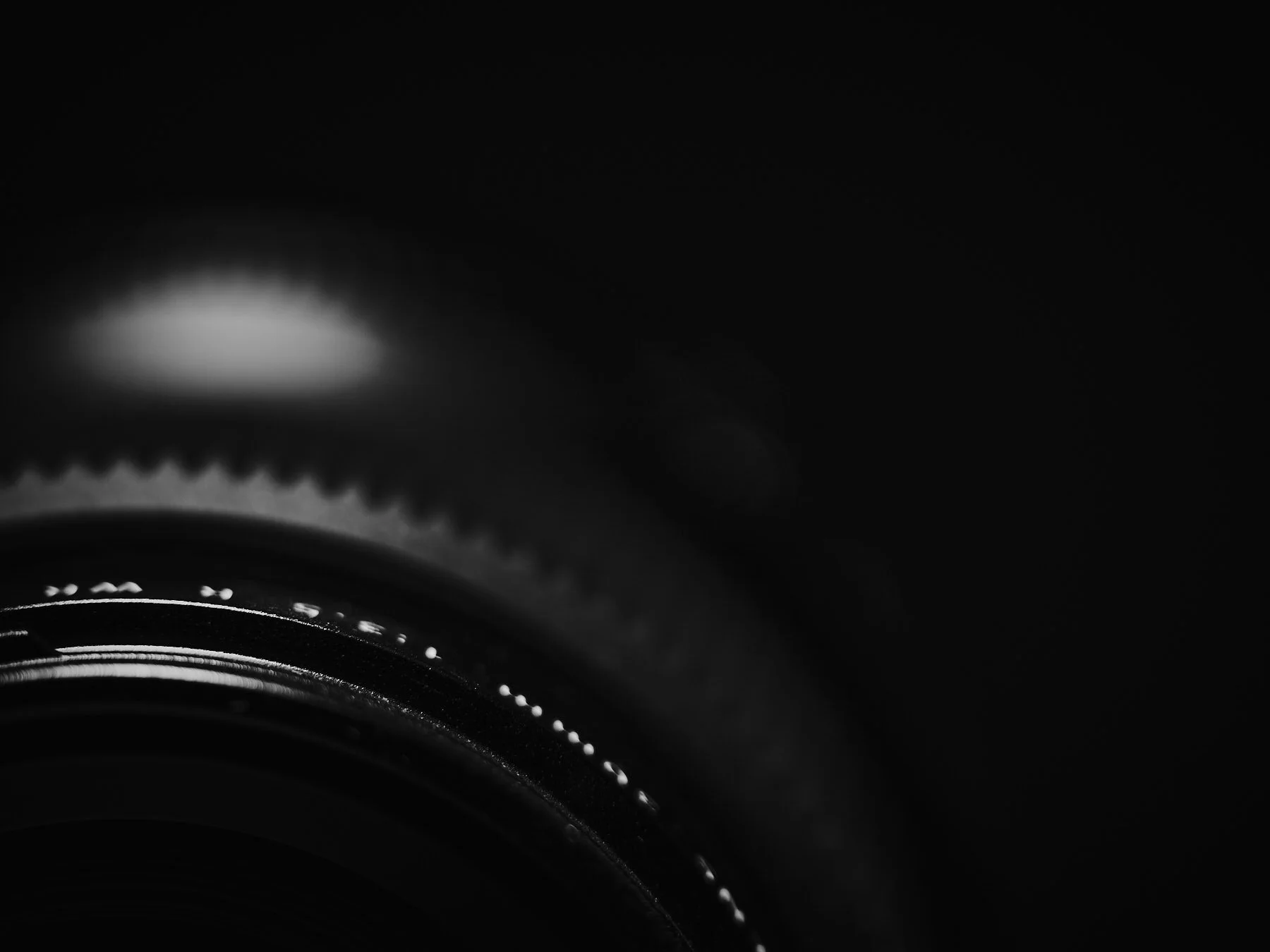
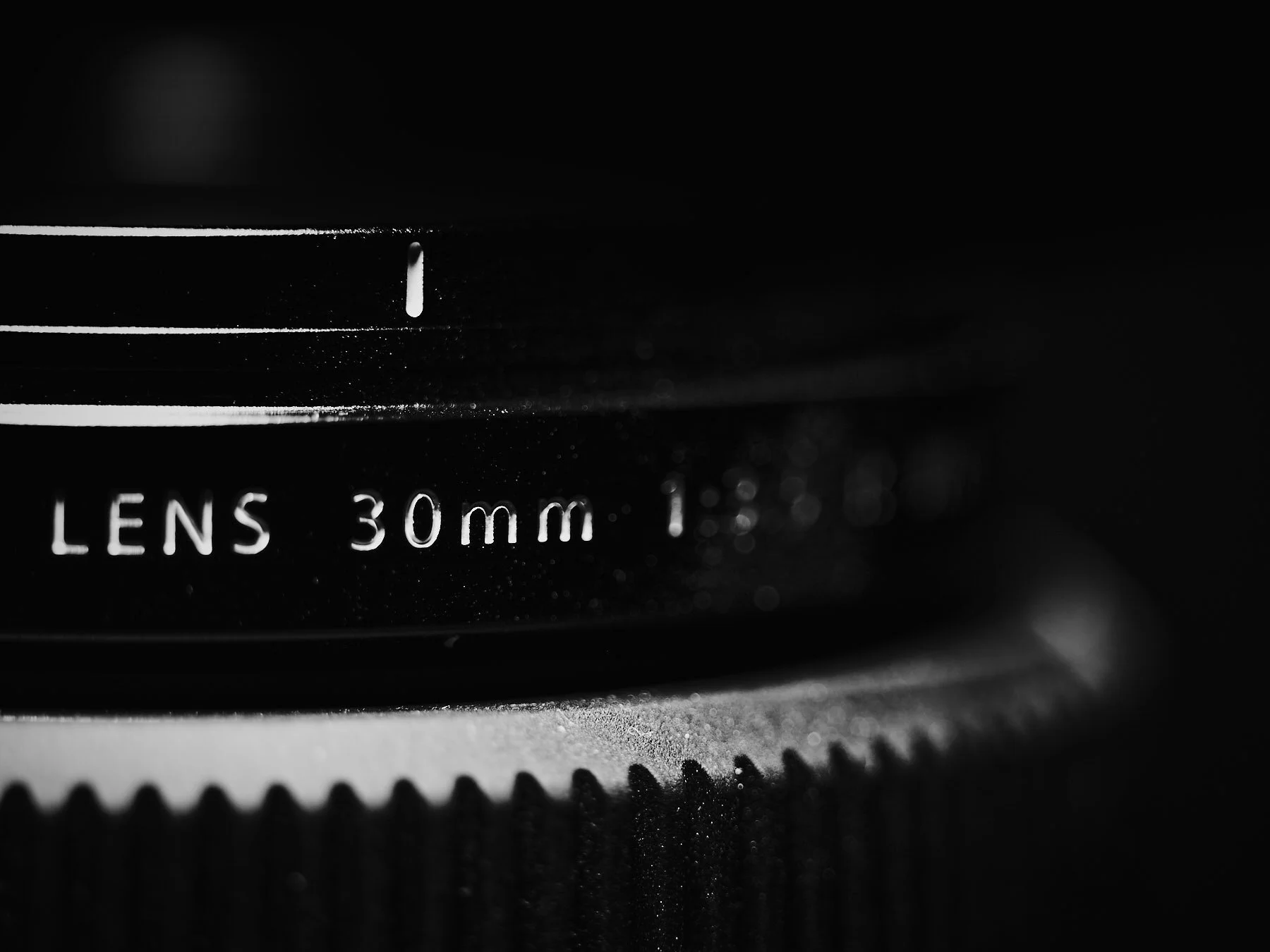
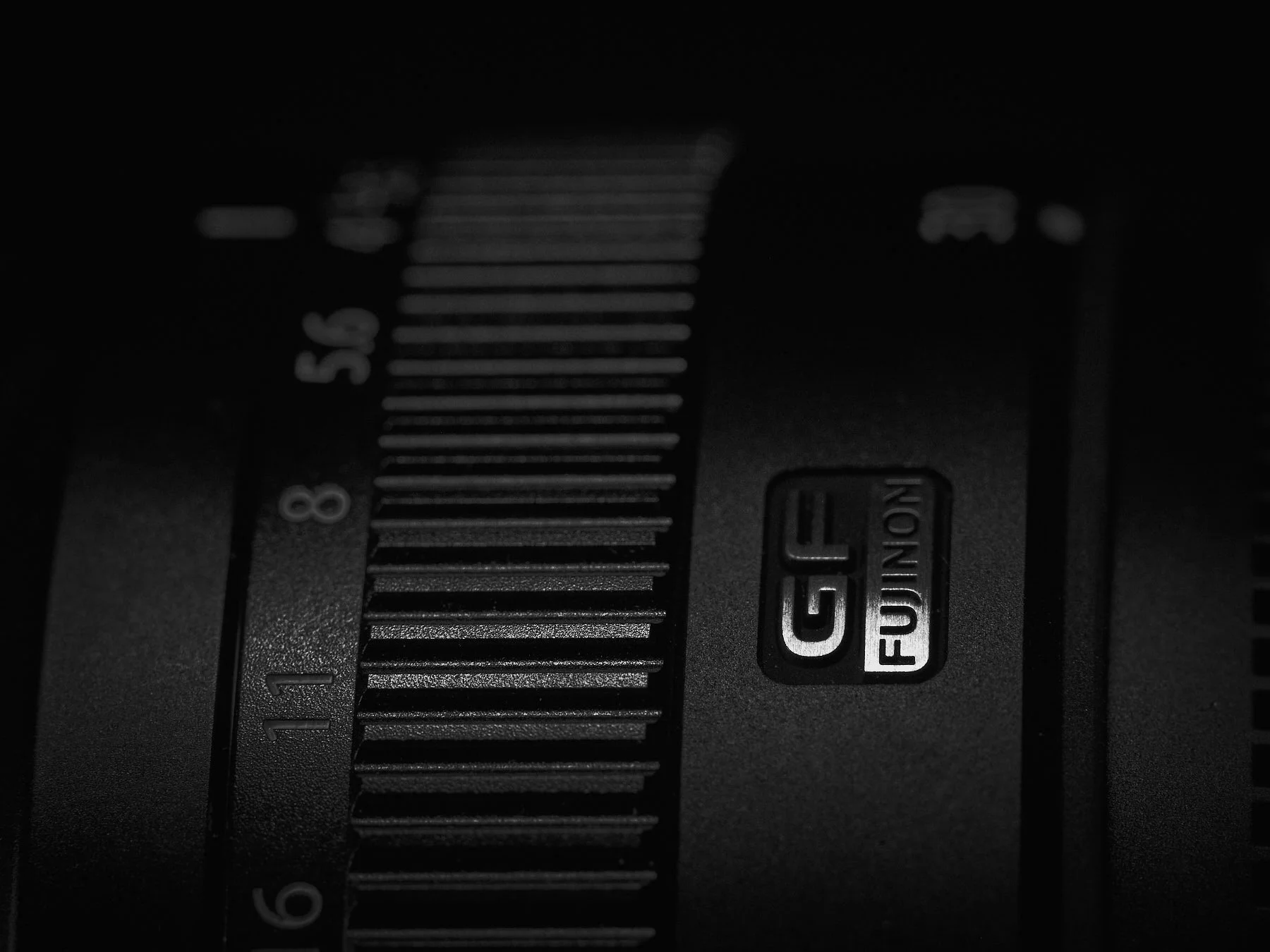
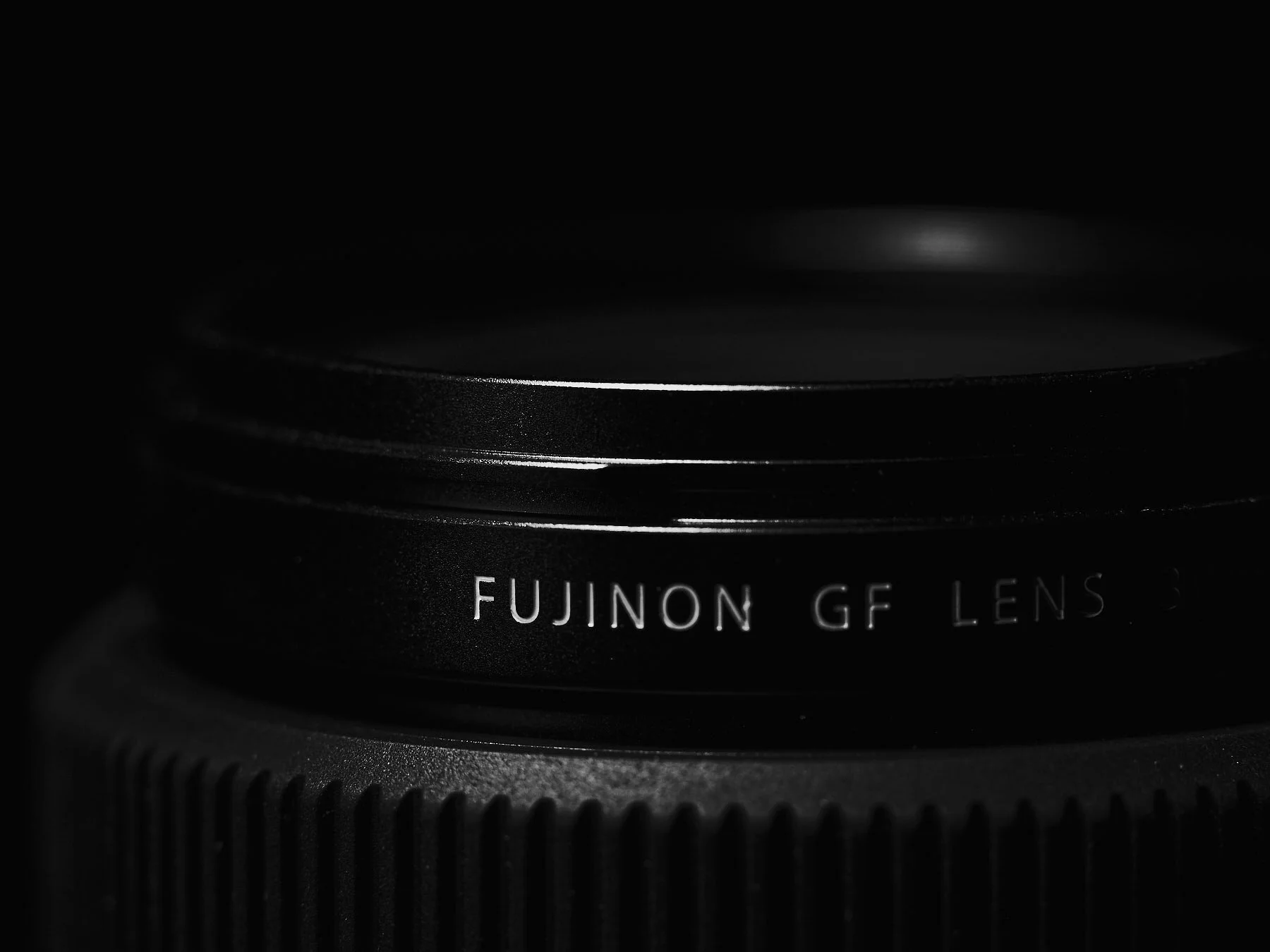
GF30MMF3.5 R WR | Shot with the GFX 50S and GF120MMF4 LM OIS R WR (with MCEX macro tubes)
Here’s a secret: my initial concept wasn’t at all built around the GF30MM lens. These details are always on a need to know basis (for obvious reasons) so I learned about it after landing the job. And if you know me, you can probably guess at the hint of panic I felt: I’m not a wide angle shooter at heart. Sure, 24mm (equivalent for the GFX cameras) isn’t crazy wide but it’s still more than 35 or 50.
So I immediately went back to the drawing board, adjusted a few ideas I’d prepared (just in case, because I knew the deadline would likely be tight) and began to brainstorm more concrete ideas.
PREPARATIONS
I have a pretty strong background in television and multimedia. But we’re talking decades in the past. I’ve been using Motion to edit and package videos for years but I knew I’d need a full blown video editing app for this project. And while I had misgivings about the Final Cut Pro X approach (I was raised on AVID and layers and timelines...i.e the “old” FCP paradigm), I decided to jump in with both feet. I used the week before the lens was shipped to get up to speed on the software, run tests with the X-T3, read up on best practices (for 2020 as opposed to...1997), basically wrapped myself in the FCP user manual until it started making sense. Which it DID btw, sort of. It just requires serious mental gymnastics, as well as forgetting a bunch of ingrained notions. But as I said: 2020.
When the GF30 landed (straight from Japan due to the shutdown in Canada) the path already looked a lot clearer. All that was left was to execute.
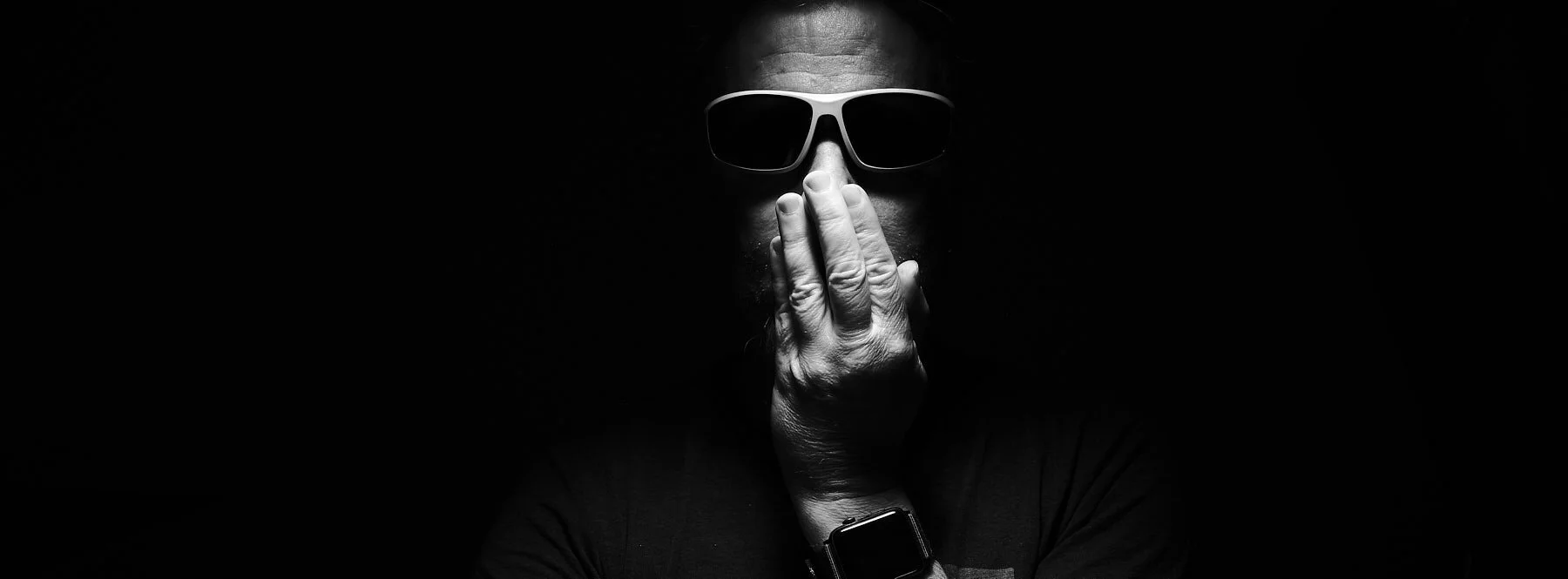
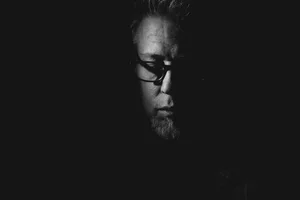
Initial selfie tests, without plexiglass. Acros, SOOC.
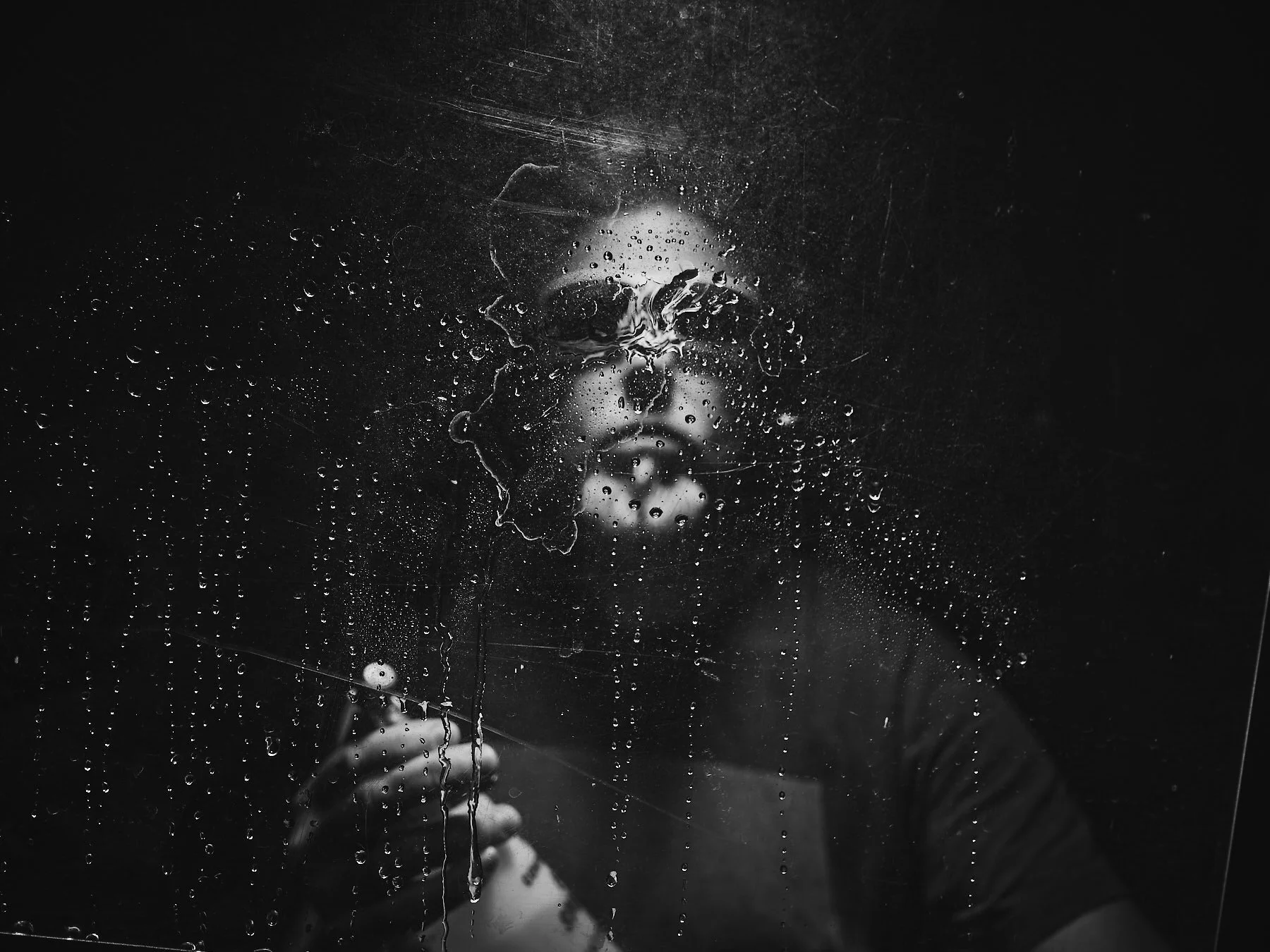
Behind the curtain: spray bottle in one hand, iPhone (with Remote app) in the other…trying to get the timing right.
CONVERSATIONS
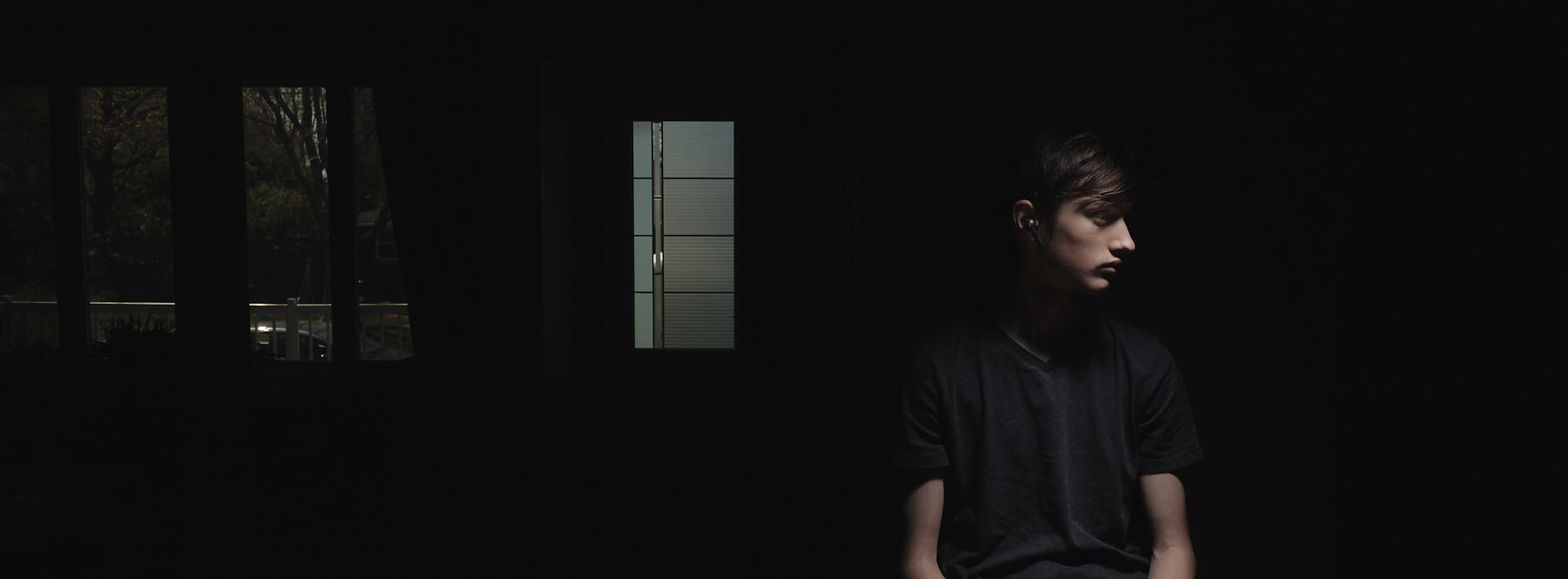
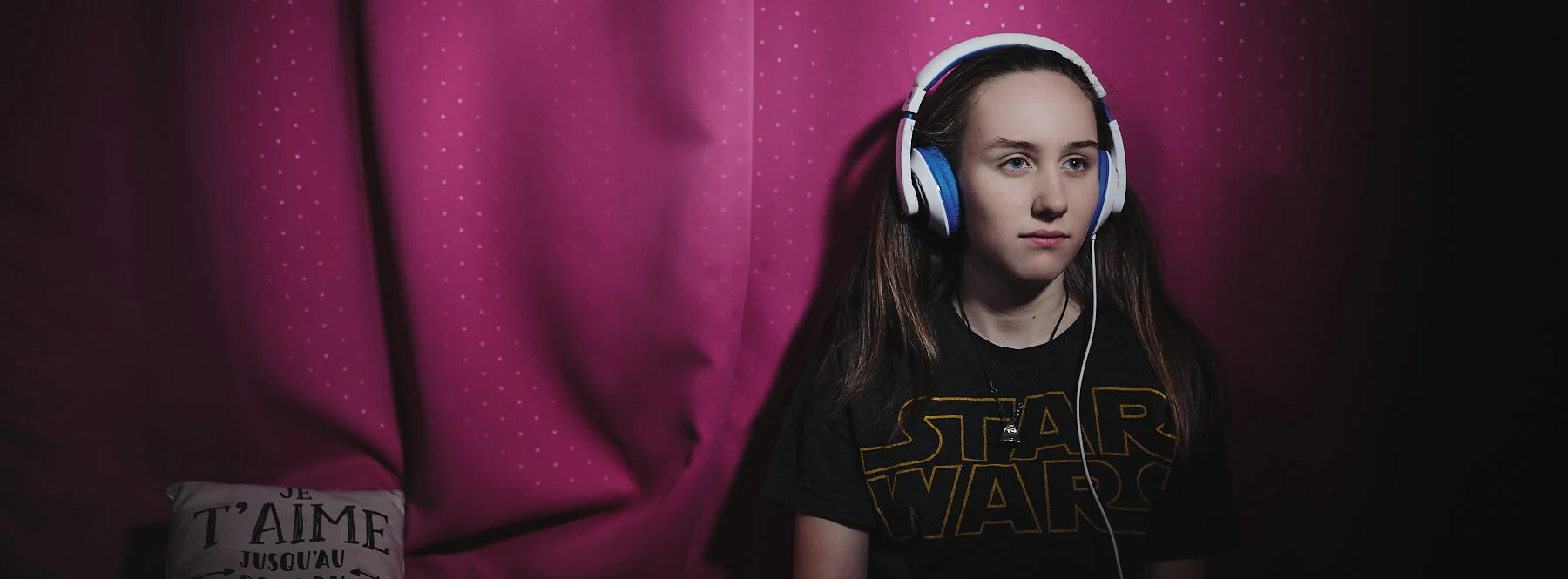
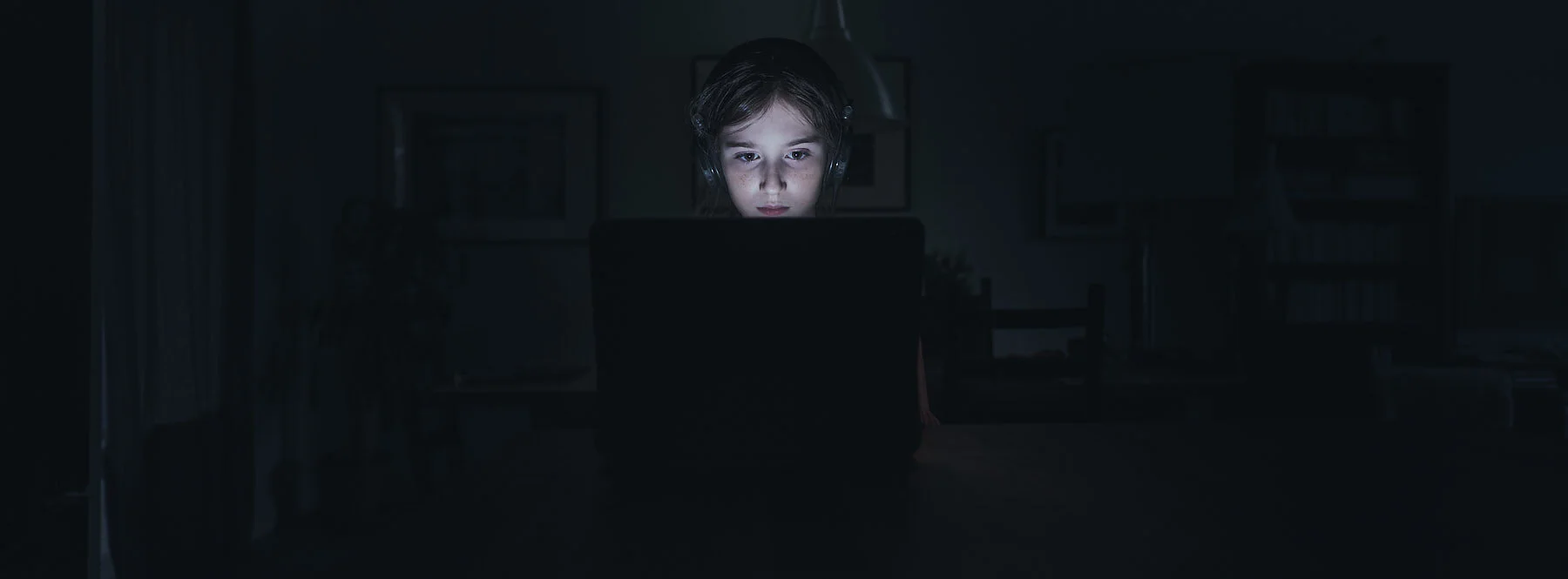
I didn’t follow a linear workflow at all. I’d written quite a bit of text and knew the gist of what I wanted to say and show (those sketches) but none of it felt final in any way. I ended up breaking down the project into pieces. Instead of a “writing-filming-editing-music” chronology, I’d film a little, record some draft narration straight into an edit, get a feel for where the segment was going and often jump into Logic Pro to score music to it. Then the music, in turn, would trigger an idea and I’d write some more, tweak the edit, shoot more bits.
One morning I spotted the wind blowing through our front neighbours’ cedars and I ran for the X-T3 and a tripod. I hadn’t eaten breakfast yet. An hour later I recorded a strings accompaniment and I knew I had an intro.
The entire film coalesced in this way, block by block, note by note, word by word. The process became a dialog between each of its individual parts: still images feeding moving images, music feeding words and so on. Until eventually, a thread appeared and the whole began to take shape.
There were a few hurdles: filming myself, on my own...was err...fun? Or weird? Think I’ll go with weird. The window shoot had me swinging from a precarious step-ladder, the camera on a monopod lifted by a log. And I became a migrant in my own home for most of the editing phase—renovation work resuming along the way, complete with hammers and saws and me working out of a closet. It’s times like these you appreciate noise cancellation.
But man, what a ride.
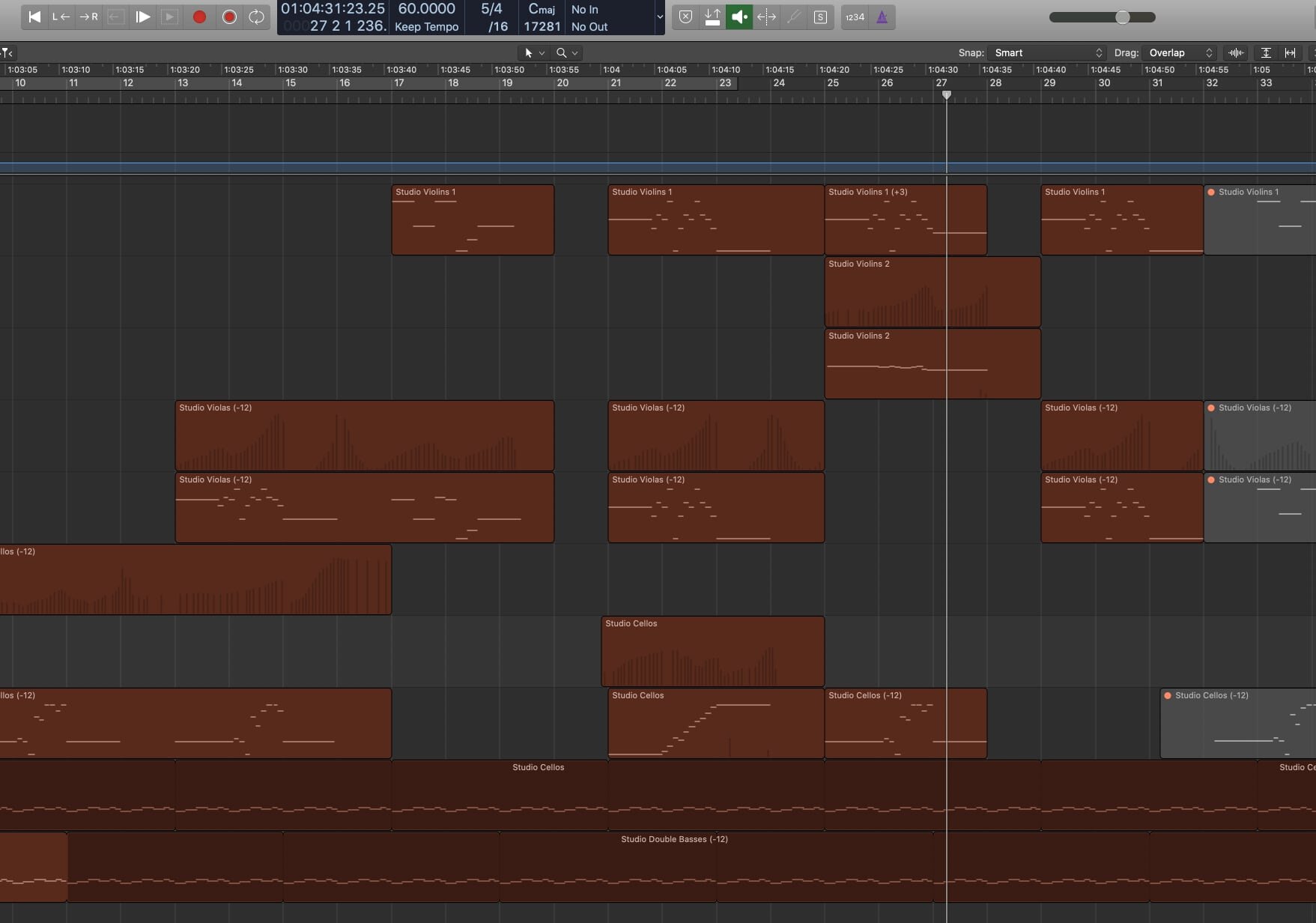
Score…
THE GEAR
MOTION
X-T3
XF 35MM F/1.4 R
XF 18-55MM F/2.8-4 R LM OIS
XF 60MM F/2.4 R
XF 55-200MM F/3.5-4.8 R LM OIS
STILLS
GFX 50S
GF 30MM F/3.5 R WR
MCEX-45G
MCEX-18G
OTHER
Final Cut Pro X
Motion 5
Logic Pro X
Ulysses
Procreate
Milanote
GRATITUDE
It’s customary to mention how grateful you are for an opportunity, to thank everyone involved who made it possible etc. And it’s always genuine—we’re lucky to do what we love. But I’m especially grateful this time. Because this required an insane amount of trust on the part of the folks at Fujifilm, given the extreme circumstances at play. Because I honestly don’t know of any other company ready and willing to grant this much creative freedom to its collaborators; this is still, after all, an ad for their new product.
And because this project changed me. I personally feel like I broke the ice, or opened the floodgates or...insert whatever metaphor. I feel stronger and clearer. Like a machine properly oiled, finally .
The irony of course is that none of it would’ve happened without the pandemic. I can’t speak of a silver lining, not with all we have lived through and the sacrifices paid by so many. But for all the sh^%show that is 2020...at least there was this.
At least there was this.